World Cup 2026 Stadiums: Future Forecasts and Fan Experiences | world cup 2026 ticket prices analysis
Explore the host cities, stadium capacities, and future trends shaping the World Cup 2026 experience. Get insider insights on fan travel and what to expect.
The Story So Far
A common misconception is that the World Cup has always been a globe-trotting spectacle. While the tournament has visited numerous countries, the 2026 edition shatters previous norms. It’s not just one nation hosting, but three: Canada, Mexico, and the United States. This monumental shift signals a new era for FIFA's premier event, moving beyond traditional single-host models to embrace a continental approach. This expansion not only broadens the tournament's reach but also presents unique logistical and fan-centric challenges and opportunities, particularly concerning the venues.
The Tri-Nation Bid: A New Frontier
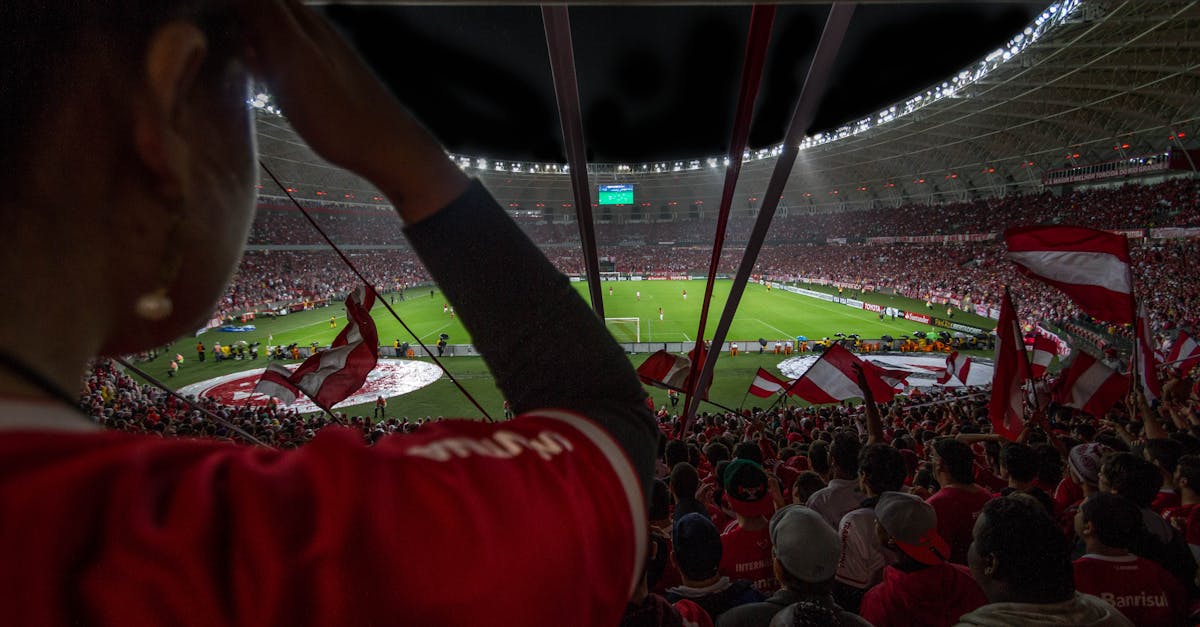
The World Cup 2026 will be co-hosted by 11 cities in the United States, three in Mexico, and two in Canada. The chosen venues represent a mix of iconic stadiums and modern arenas, each boasting considerable seating capacities. In the US, cities like Los Angeles, New York/New Jersey, Dallas, and Miami will utilize NFL stadiums, promising massive crowds. For instance, MetLife Stadium in New York/New Jersey is expected to hold over 82,000 spectators. Mexico brings its legendary Estadio Azteca in Mexico City, a historic venue that has hosted two World Cup finals, with a capacity exceeding 87,000. Canada's contribution comes from Toronto and Vancouver, utilizing BMO Field and BC Place respectively, with capacities around 40,000 and expanding for the tournament. These figures are crucial as they impact the overall fan experience and the economic projections for each host city. The sheer scale of these venues is a key factor in FIFA's decision-making for future tournaments.
Unveiling the 2026 Host Cities and Stadiums
Beyond the sheer size of the stadiums, the World Cup 2026 is anticipated to be a showcase for technological innovation. We can expect enhanced fan experiences through augmented reality overlays in stadium apps, providing real-time stats and player information. Improved connectivity within venues will be paramount, enabling seamless social media sharing and access to digital ticketing and merchandise. The future of stadium design is also evolving, with a growing emphasis on sustainability and fan comfort. While specific rule changes are still being debated, like the potential evolution of offside rules to increase scoring, the tournament's infrastructure will undoubtedly adapt. Experts predict that the 2026 event will set new standards for smart stadiums, integrating artificial intelligence for crowd management and personalized fan journeys. This technological leap will influence how future mega-events are planned and executed, offering a glimpse into the future of sports entertainment.
Did You Know?
The joint bid from Canada, Mexico, and the United States for the 2026 FIFA World Cup was approved on June 13, 2018. This decision marked a significant departure from previous tournaments. The United Bid, as it was known, promised a decentralized event, leveraging the vast infrastructure and diverse fan bases of North America. The selection process considered numerous stadiums across all three countries, ultimately narrowing down the choices to 16 host cities. This approach is designed to minimize travel distances for fans within sub-regions while still offering a truly international flavor. The logistics of coordinating across three different national borders and time zones are unprecedented, setting a new benchmark for future bids. Experts are keenly watching how this model will influence subsequent World Cup bids, potentially setting a precedent for even larger, world cup tren mytv multi-confederation events.
Technological Advancements and Fan Engagement
The Estadio Azteca in Mexico City is the only stadium in the world to have hosted two FIFA World Cup finals (1970 and 1986). Its inclusion in 2026 makes it a historic third-time host, a testament to its enduring legacy in football history and its significant seating capacity.
Navigating the Continental Tournament: Travel and Culture
For fans planning to attend matches, the multi-country format presents a unique travel challenge and adventure. The blog "World Cup 2026 Match Schedule by City" and "Cong Bo Lich Thi Dau Chi Tiet World Cup 2026" will be essential resources. Understanding the World Cup 2026 to Chuc O May Nuoc Va Nhung Dieu Ban Can Biet is key. Travelers will need to consider visa requirements, currency exchange, and local transportation across Canada, Mexico, and the US. Each region offers a distinct cultural experience, from the vibrant culinary scenes in Mexico City to the diverse landscapes of Canada and the cultural melting pots across the United States. The atmosphere in stadiums like the AT&T Stadium in Arlington, Texas, or the SoFi Stadium in Inglewood, California, du doan doi vo dich world cup 2026 will be electrifying. Planning travel well in advance is crucial, especially when considering the Suc Chua Cac San World Cup 2026 can accommodate massive numbers. Advice on choosing the best viewing spots or even purchasing official Qua Luu Niem World Cup 2026 will become increasingly important as the tournament nears.
What's Next: The Legacy of 2026
The 2026 FIFA World Cup is poised to redefine the tournament's scale and scope. The expanded format, featuring 48 teams and three host nations, is a bold step. The implications of Nhung Thay Doi Luat Bong Da Duoc Ap Dung World Cup 2026 are still unfolding, promising a more dynamic game. The Lich Su Cac Ky World Cup Va Doi Vo Dich will gain a new chapter with this unique continental staging. The success of this model will undoubtedly influence future FIFA decisions, potentially paving the way for even more ambitious hosting plans. Experts in Phan Tich Chuyen Su World Cup are already debating the long-term impact on global football development and fan accessibility. The Tin Tuc Mi Nhat V World Cup 2026 will continue to reveal how this groundbreaking tournament will unfold, setting a new standard for fan engagement, technological integration, and the very definition of a World Cup host.
Browse by Category
Sources & References
- Nielsen Sports Viewership — nielsen.com (Audience measurement & ratings)
- SportsPro Media — sportspromedia.com (Sports media business intelligence)
- ESPN Press Room — espnpressroom.com (Broadcasting schedules & data)
Explore More Topics (15)
- World Cup 2026 Ti Canada C Bao Nhiu Trn
- __debugbar
- .Hsenv
- Live Stream Update
- Xem Bong Da Truc Tuyen K9cc
- Cng Ngh Var Ti World Cup 2026
- .Flaskenv
- Gi V Xem World Cup 2026
- So Sanh The Thuc World Cup 2022 Va 2026
- Env.Backup
- World Cup 2026 To Chuc O Dau
- World Cup 2026 Din Ra Vo Ma No
- Tin Tc Mi Nht V World Cup 2026
- Knh No Chiu Truc Tiep World Cup 2026 Tai Viet Nam
- .Bak